
C3: CLIMATE, COVID, & COMMUNITY--A Workshop


We face multiple interconnected crises: the worldwide pandemic of Covid-19, climate concerns and the overarching impact of systemic racism. Covid-19 has taken the greatest toll on communities of color. Climate change is also now recognized as one of the social determinants of health.
Lower income people of color are exposed to environmental risks at a much higher level when compared to more affluent, white communities. These communities of color have a higher rate of exposure to environmental toxins and climate-related diseases and the least access to quality health care. Additionally, they are often living in conditions that leave them most vulnerable to the changing climate. And yet, due to structural racism, these same communities get the least amount of attention and support to redress these environmental injustices.
In this workshop, we will discuss the interconnections among the Covid-19 pandemic and the subsequent economic downturn, structural racism, and climate change. We will highlight the value of building caring communities and resilience, while recognizing the cultural factors influencing mental health.
Speakers
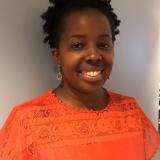
Batsirai Bvunzawabaya
Dr. Batsirai Bvunzawabaya is a Counseling Psychologist and is currently serving as the Director of Outreach and Prevention Services at the University of Pennsylvania's Counseling and Psychological Services (CAPS). In addition to providing individual and group therapy, Dr. Bvunzawabaya enjoys participating in the training program at CAPS. Dr. Bvunzawabaya's clinical interests include exploring issues related to minority mental health, body image concerns, sexual trauma, racial and ethnic identity development and suicide prevention. She is strongly committed to promoting and exploring how issues of equity and inclusion are incorporated in all aspects of her practice.
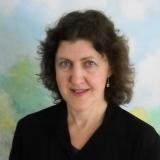
Marian Reiff
Dr. Marian Reiff is an Assessment Specialist at UPenn Counseling and Psychological Services (CAPS). She holds a Ph.D. from Columbia University in Sociomedical Sciences, and a Master’s degree from the London School of Economics in Social Work and Social Policy. She is also a licensed clinical social worker (LCSW), with experience in medical, psychiatric and community settings. Her expertise includes public health and medical anthropology, focusing on the psychosocial and cultural contexts of health behavior and health care choices. She has conducted research on trauma, migration, social determinants of health, patient perspectives, cultural contexts of health, integrative medicine, women’s health, and college mental health. In her current position, she monitors and evaluates outreach and prevention services, and implements interventions to promote mental wellness on campus.